
Reviewed · POLITICAL & MURAL TOURS
Belfast Troubles Tour: Walls and Bridges
History feels different when told by someone who lived it. This Belfast walking tour connects City Hall, murals, the Peace Wall, old passageways, and neighborhoods shaped by the Troubles, giving you more than a quick look at political symbols. I like the native guides and personal stories, and I like that the tour includes Belfast’s wider history, music, architecture, and possible future. The main consideration is that the subject matter can be graphic and emotionally difficult.
The tour lasts about three hours, costs $33.29 per person, and includes a professional local guide. I also appreciate the small-group format, with no more than 16 people, though you should expect a fair amount of walking and a serious discussion rather than a light sightseeing outing.
In This Review
- Key points to know before you book
- Why this Belfast walking tour is worth your time
- Starting at Belfast City Hall
- The Big Fish and Belfast’s industrial character
- The International Mural Wall on Divis Street
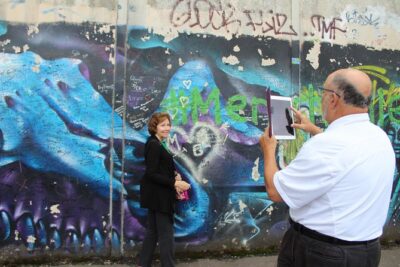
- The Peace Wall and the reality of division
- The Albert Memorial Clock and Belfast’s beginnings
- The Cathedral Quarter and Belfast after dark
- Belfast Entries, where history hides in plain sight
- First Presbyterian Church and an unexpected ending
- What the guide adds to the experience
- Timing, walking, and group size
- Is $33.29 good value?
- Who should book the Walls and Bridges tour?
- Should you book it?
- FAQ
- How long does the Belfast Troubles Tour last?
- Where does the tour start?
- Where does the tour finish?
- Is the tour suitable for children?
- How much walking is involved?
- Can I cancel for a refund?
Key points to know before you book
- Personal Belfast perspective: Guides such as Arthur Magee and Steve bring lived experience and local insight to the story.
- The Peace Wall is central: You have time to examine the 16-metre walls and hear why they were built.
- It covers both communities: The route visits areas connected with unionist and nationalist identity rather than presenting only one side.
- The tour is not only about the Troubles: City Hall, the Cathedral Quarter, Belfast Entries, architecture, industry, music, and civic history all feature.
- Graphic content requires maturity: The minimum age is 14, and the tour is not designed for children.
- A good price for a private-style walk: At $33.29, the cost is reasonable for nearly three hours with a dedicated guide, especially if you want context rather than a quick photo stop.
Why this Belfast walking tour is worth your time
Belfast is easy to visit superficially. You can photograph the Big Fish, admire City Hall, drink in the Cathedral Quarter, and move on without grasping why walls still divide parts of the city.
The Walls and Bridges tour slows that process down. It uses familiar sights as entry points into Belfast’s political, religious, industrial, and social story. You are not simply shown a mural and told when it was painted. You are encouraged to think about identity, prejudice, memory, and the choices that help communities live alongside one another.
I particularly like the balance between difficult material and ordinary city life. The route includes serious stops at the International Mural Wall and Peace Wall, but it also passes through historic lanes, a church, civic buildings, pubs, restaurants, and cultural areas. That mix helps you see Belfast as a living city, not an open-air memorial to violence.
The strongest part of the experience appears to be the guide. Arthur Magee is praised for clear storytelling, humor, personal experience, and an even-handed approach. Steve is also singled out for informative commentary and personal stories. Your guide may depend on the date, but the central benefit is the same: you receive local interpretation instead of a detached script.
The tour can also make you question your own assumptions. The conflict is not presented as a simple battle between good and bad sides. You hear about discrimination, politics, religion, economics, music, and the daily effects of violence. That does not make every issue easy, but it gives you a more useful starting point.
More mural and peace wall tours in Belfast:
- Belfast’s Political Mural Taxi Tour
★ 5.0 · 1,180 reviews - Famous 1.5 hour Belfast Murals Tour
★ 5.0 · 477 reviews - Belfast Political Tour-Conflicting Stories Walking Tour
★ 4.5 · 459 reviews
Starting at Belfast City Hall
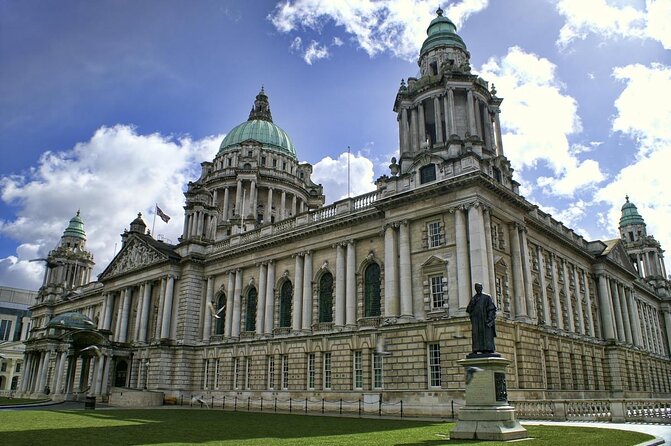
The tour begins outside Belfast City Hall, Belfast BT1 5GS. This is a practical meeting point in the city center and an excellent place to begin because City Hall explains Belfast’s civic confidence before the route turns toward division and conflict.
The building was designed to make an impression. Its dome rises 174 feet, and the interior uses three types of Italian marble, Cippolino marble from Greece, and striking stained glass windows. You may not spend long inside, but the guide uses the building to explain Belfast’s civic and industrial importance.
I like this opening because it prevents the tour from reducing Belfast to the Troubles. The city had ambition, wealth, political power, and an important industrial base long before the late twentieth-century conflict. Starting here gives you a wider frame.
Allow about 10 minutes at City Hall. Admission is free.
The Big Fish and Belfast’s industrial character
The route then takes in one of Belfast’s modern sculptures, a work by Dan George in the city center. Its traditional Celtic design also points toward engineering, industry, and the communities that shaped Belfast.
The Big Fish is one of the city’s best-known photo stops, and the tour uses this part of the center to connect Belfast’s public art with its older identity. The point is not simply to collect another photograph. You get a reminder that Belfast has continued to change and to present a more open civic face.
This short section is helpful if you are new to the city. It puts the later political discussion beside Belfast’s creative and industrial life rather than treating the city as defined only by old divisions.
The International Mural Wall on Divis Street
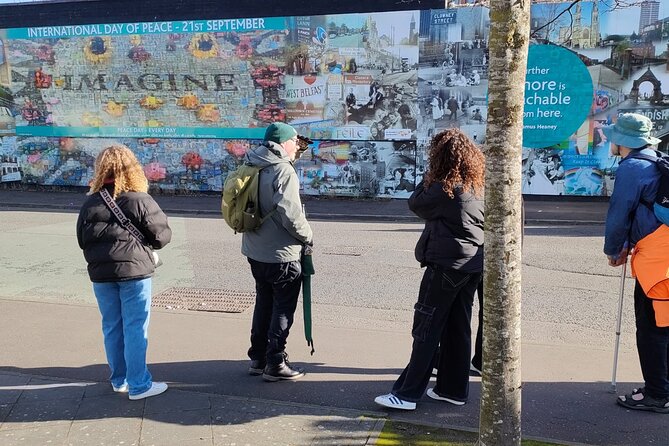
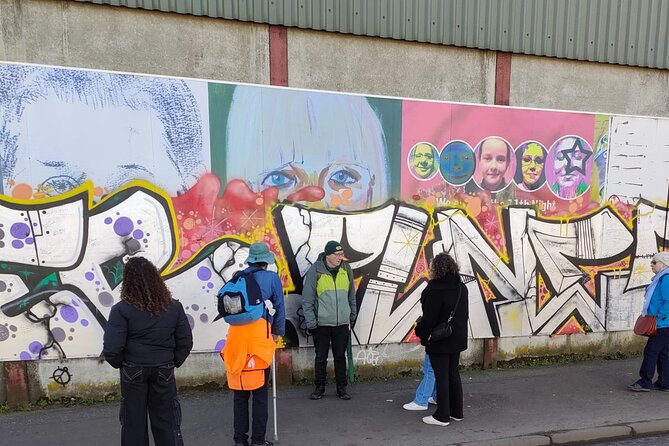
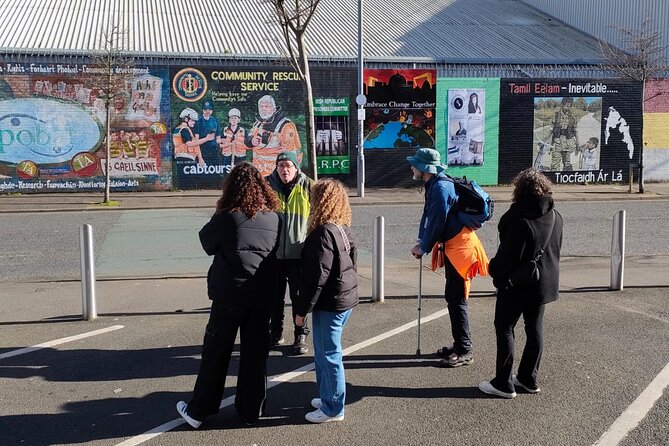
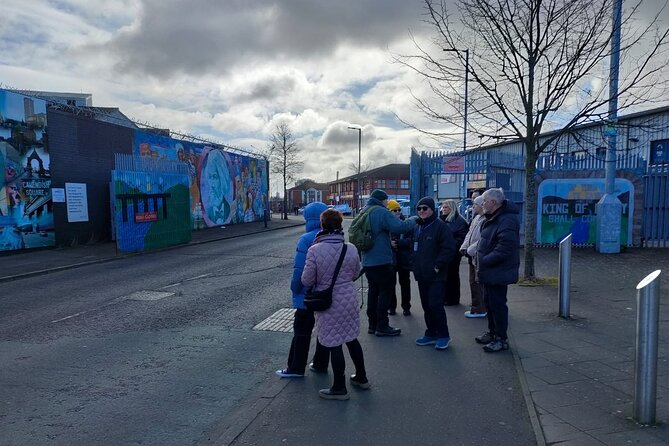
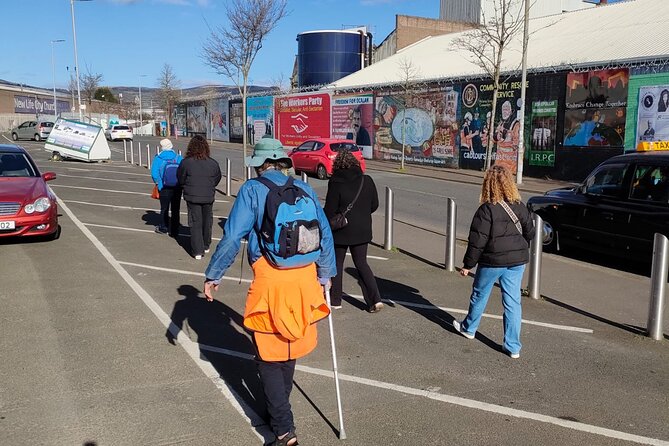
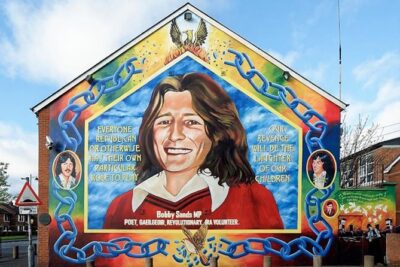
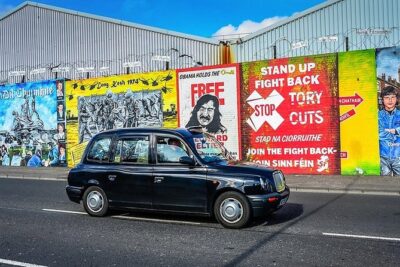
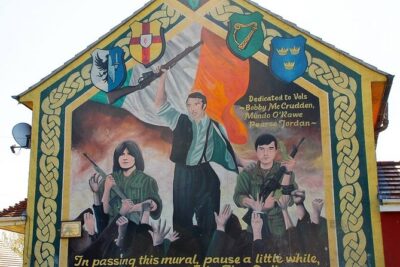
At the International Mural Wall near the Peace Walls, the tour moves closer to the political heart of the experience. The murals function as media, carrying messages about identity, international causes, memory, and political allegiance.
This is a place where your guide’s explanation matters. A mural can look bold, artistic, or even confusing when viewed alone. With context, you can consider who created it, whom it addresses, and why particular images have been placed in this area.
You should expect about 10 minutes here. Admission is free, and there is time for photographs.
The walking format works especially well at this stop. On a bus, you might see a mural through a window and hear a few words through a speaker. On foot, you can pause, look closely, and ask questions. You are also physically moving from the city center toward neighborhoods where the conflict shaped everyday life.
A completely different sort of day out of Belfast:
- Titanic Belfast Entrance Ticket: Titanic Visitor Experience Including SS Nomadic
★ 4.5 · 3,698 reviews - Cab Tours Belfast Famous Black Taxi Tours
★ 5.0 · 3,633 reviews - A History of Terror – Belfast City Centre Walking Tour
★ 5.0 · 2,883 reviews - Game of Thrones and Giant’s Causeway Full-Day Tour from Belfast
★ 5.0 · 2,291 reviews
The Peace Wall and the reality of division
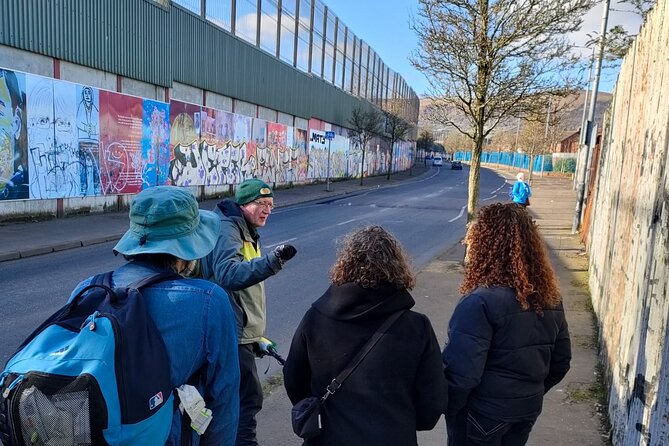
The Peace Wall is the tour’s most important stop. These walls divide the two communities and rise to about 16 metres, with mesh at the top designed to stop petrol bombs.
That physical detail is hard to ignore. The walls are not an old ruin or a line on a map. They are large, practical structures built because people feared attacks from the other side. Their presence raises an uncomfortable question: how can a place be peaceful while still separated by barriers?
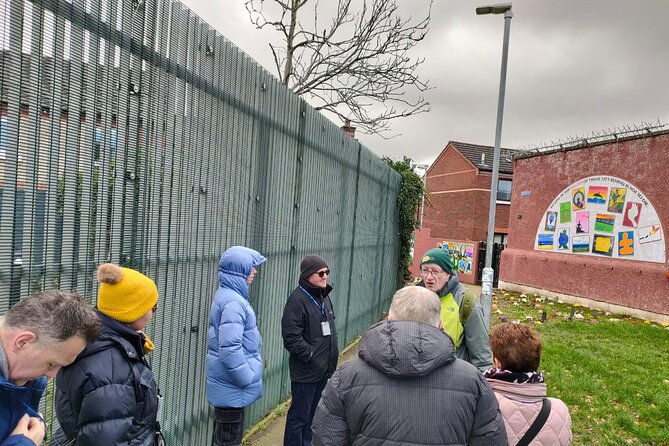
You have around 15 minutes to photograph the wall and hear a detailed explanation. I would not rush this section. The value lies in understanding what the walls meant to local residents during the Troubles and what they still represent today.
The tour does not treat the Peace Wall as a simple attraction. The larger theme is the difference between walls and bridges. Walls can offer protection, but they can also preserve suspicion. Bridges require contact, patience, and a willingness to understand people before assigning them a label.
This is also where the graphic content becomes most relevant. The discussion may include violence, murder, mutilation, and other painful parts of the conflict. The minimum age is 14, and the experience is specifically not aimed at children.
The Albert Memorial Clock and Belfast’s beginnings
The Albert Memorial Clock Tower provides a short architectural pause after the Peace Wall. Belfast’s own leaning tower rises 113 feet and leans about four feet from the perpendicular.
The tower sits at the crossing point around which Belfast was established. It includes a statue of Prince Albert and has appeared in the film noir Odd Man Out, starring James Mason.
You spend about five minutes here. That may sound brief, but the stop works as a quick piece of local character rather than a major sightseeing visit. Belfast has its own answer to famous leaning towers, and the clock gives the route a touch of humor after weightier material.
The Cathedral Quarter and Belfast after dark
The Cathedral Quarter presents a different Belfast. You walk through cobbled streets, colorful murals, historic entries, pubs, and restaurants. It is now one of the city’s main cultural areas and was associated with important rock events.
This part of the tour shows how Belfast has built a social and cultural life beyond its old divisions. You may find the mood lighter here, but the guide still connects the streets with the city’s past.
I like the contrast. A tour focused only on conflict can leave you with a distorted picture. Belfast is also a place of music, nightlife, food, art, and restored historic spaces. The Cathedral Quarter gives those parts of the city their due.
Plan on about 10 minutes in this area. The tour is not a pub crawl, and there is no indication that food or drinks are included, so treat this as a walking introduction to the district.
Belfast Entries, where history hides in plain sight
The Belfast Entries are historic passageways that are easy to miss unless someone points them out. The route wanders through these narrow lanes, passing places linked with revolution, intrigue, and old pubs.
This is one of the more rewarding details of the walk because it asks you to pay attention to the city’s small spaces. Belfast’s story is not held only in grand buildings or large murals. It also appears in lanes that many visitors would pass without noticing.
The Entries add texture to the route and help break up the political discussion. Allow roughly 10 minutes here.
First Presbyterian Church and an unexpected ending
The final stop is First Presbyterian Church on Rosemary Street, about five minutes from City Hall. The church dates from 1783 and has an elliptical interior that impressed John Wesley, who preached from its pulpit.
This church is especially valuable because it complicates the usual story of religious division in Belfast. Its members took important positions on civil and religious freedom, showing that the city’s religious and political history cannot be reduced to two neat camps.
You have about 10 minutes to explore and take photographs. Admission is included.
Ending here is a smart choice. After the Peace Wall and difficult accounts of violence, the church offers a reminder that people in Belfast have also argued for liberty, questioned authority, and crossed expected religious lines. The tour finishes at Rosemary Street, Belfast BT1 1QB, within sight of City Hall.
What the guide adds to the experience
The guide is the main reason to choose this walking tour over a basic sightseeing route. Arthur is repeatedly praised for being funny, direct, compassionate, and well informed. He lived through the period he discusses, so personal anecdotes can make the history feel immediate rather than academic.
Steve is also praised for his stories and clear explanation of the Troubles. You cannot assume which guide you will receive, but the experience is built around a local voice.
The humor is useful when handled well. This is not entertainment at the expense of suffering. Instead, humor gives you a moment to breathe during a three-hour discussion that includes sad and graphic material.
You may also receive headphones so you can hear the guide clearly. That matters on a walking tour, especially when the group reaches a busy street or spreads out around a wall or landmark.
The tour aims for balance. It addresses both unionist and nationalist neighborhoods and avoids presenting one community as the sole cause of Belfast’s problems. You are welcome to ask questions, and the guide’s approach encourages discussion rather than demanding that you accept a single political view.
Timing, walking, and group size
The published duration is about two hours and 40 minutes to three hours, though one guide has indicated that the regular tour is three hours. Reviews also describe the pace as steady and the walking as substantial.
You should have a moderate level of physical fitness. This is not a coach tour with frequent seats, and the route includes several outdoor stops, neighborhood streets, cobbled areas, and time on your feet.
The maximum group size is 16 people. That is small enough for a more personal feel and makes questions easier than on a large bus. The experience is described as private, so the dedicated guide is an important part of the value.
The start at City Hall and finish at First Presbyterian Church are convenient for exploring central Belfast afterward. Public transportation is nearby, and service animals are allowed.
Is $33.29 good value?
At $33.29 per person, the tour is fairly priced for nearly three hours with a professional local guide. You are paying for interpretation, not entry tickets. Most stops are free, while admission to First Presbyterian Church is included.
The value is strongest if you want to understand what you are seeing. A mural, wall, or old church costs nothing to visit on your own, but the meaning behind those places is not always obvious. The guide connects them and gives you a framework for the rest of your time in Belfast.
It is less useful if you want a fast list of major sights or a purely architectural tour. City Hall, the Big Fish, Albert Clock, and Cathedral Quarter receive attention, but the Troubles remain the central subject.
The tour is often booked about 18 days ahead, so advance planning is sensible. Free cancellation is available if you cancel at least 24 hours before the start time. If the minimum number of participants is not met and the tour is canceled, you are offered another date or experience, or a full refund.
Who should book the Walls and Bridges tour?
I would recommend this tour to first-time visitors who want a serious introduction to Belfast. It is also a good fit if you have read about the Troubles but still struggle to understand the geography, identities, and human impact.
You will get the most from it if you arrive with an open mind. The tour asks you to examine your own assumptions, not simply adopt the guide’s opinions.
History fans, students of political conflict, and anyone interested in modern Ireland should find plenty to consider. The personal accounts, murals, Peace Wall, and discussion of Belfast’s hopeful future give the subject a human scale.
I would be cautious about booking it for young children or anyone who wants a cheerful city stroll. The minimum age is 14, graphic content is part of the experience, and the material can be emotional.
Should you book it?
Yes, if you want to understand Belfast rather than simply photograph it. The Walls and Bridges tour gives you the Peace Wall and political murals, but it also includes City Hall, the Cathedral Quarter, Belfast Entries, architecture, music, civil liberties, and the city’s future.
The best reason to book is the guide-led interpretation, particularly if Arthur Magee or Steve is leading your departure. The main tradeoff is the serious subject matter and steady walking. For about $33.29, that is a strong value for a thoughtful, local-centered introduction to Belfast.
FAQ
How long does the Belfast Troubles Tour last?
The tour lasts approximately two hours and 40 minutes to three hours. The standard experience is generally described as three hours.
Where does the tour start?
It starts at Belfast City Hall, Belfast BT1 5GS, UK.
Where does the tour finish?
The tour finishes at First Presbyterian Church on Rosemary Street, Belfast BT1 1QB, within sight of Belfast City Hall.
Is the tour suitable for children?
The minimum age is 14, and the tour is not aimed at children. Graphic content is included, so parents should consider the subject matter carefully.
How much walking is involved?
You should expect a fair amount of walking and have a moderate level of physical fitness. The route includes outdoor landmarks, neighborhood streets, historic passageways, and the Peace Wall.
Can I cancel for a refund?
You can cancel at least 24 hours before the experience starts for a full refund. Cancellations or changes made less than 24 hours before the start time are not accepted for a refund.
Just added around Belfast
- Belfast City Airport (BHD) to Belfast Accommodation – Arrival Private Transfer★ 5.0 · 3 reviews
- Belfast history of terror & mural 1 hr express private taxi tour★ 5.0 · 3 reviews
- Game of Thrones scene location inc Giants causeway from Belfast★ 5.0 · 3 reviews
- Experience the Antrim Coast and the Land of Giants – Private Tour★ 5.0 · 3 reviews
- Belfast Private Walking Tour with a Local★ 3.0 · 3 reviews
- Giants Causeway Tour From Belfast including Game of thrones sites★ 5.0 · 3 reviews
- Belfast to Dublin Transfer★ 5.0 · 3 reviews
- Private Coast Tour in Belfast★ 5.0 · 3 reviews
Political & Mural Tours, compared.

Belfast Political Tour-Conflicting Stories Walking Tour
Read our review →
2 Hour Private Belfast Taxi Cab Tour of Troubles & Peace walls
Read our review →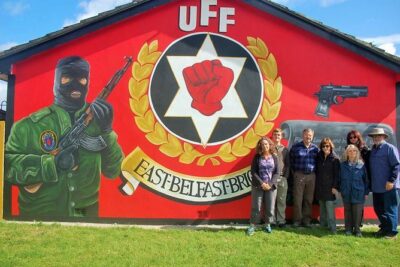
2 hours Belfast Original Drivers The Troubles Black Taxi Tour
Read our review →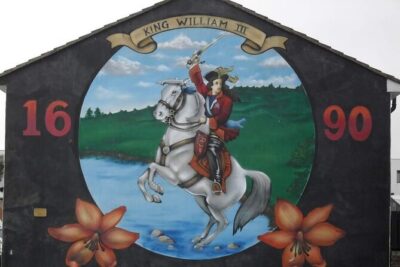
Private Political History & Murals Tour Belfast
Read our review →Browse the lists this tour appears in